
Disclosure : This post may contain affiliate links or paid partnerships. I may earn compensation if you click a link or make a purchase, at no additional cost to you. See my disclosure for more info.
Walk into any furniture showroom and the coffee tables all look perfect.
Perfectly styled. Nothing on them. Definitely no remote controls, no charging cables, no half-finished drinks.
That is not your living room.
Your living room is a real space where real life happens. Which means you need a coffee table that holds up to daily use, fits the actual dimensions of your actual sofa, and still manages to look good.
Here are more than 33 options that do exactly that, organized by style, function, and room size. Plus the practical sizing guidelines that showrooms never explain.
Go-To Classics That Never Disappoint
These styles have survived long enough to prove themselves. If your goal is a reliable choice you will not want to replace in two years, start with one of these.
1. Solid wood rectangular table. Solid hardwood in walnut, oak, or teak. Handles daily use, scratches can be sanded and refinished, lasts decades. The practical case for buying quality wood is strong.
2. Round marble-top table. Natural stone on a brass or metal base. Heavier than it looks, extremely durable, easy to wipe clean. The circular form keeps sightlines open across the room.
3. Mid-century modern table. Tapered legs and a slim build. The reduced mass makes rooms feel more open. Extremely easy to move for cleaning, which matters more than you might think until you have a table that requires two people to shift.
4. Oval tulip-base table. No protruding corners means fewer bruised shins. The pedestal base makes floor cleaning easier. Practical advantages wrapped in a silhouette that works with almost any sofa configuration.
5. Parsons-style coffee table. The uniform thickness and flush legs of the Parsons design mean there are no carved details to collect dust and no awkward angles to work around when vacuuming.
6. Traditional turned-leg table. If your home leans toward warm, classic furnishings, a turned-leg table with a stained hardwood top is the natural practical choice. Durable, repairable, and scales well when a room is rearranged.
High-Impact Tables That Do the Heavy Lifting
Not every room needs a safe choice. Some rooms are ready for a coffee table that does more than hold things.
These are the pieces that change how a room reads—and they are more livable than they look.
7. Live-edge wood slab table. The preserved natural edge of the wood makes each piece completely unique. The hairpin legs keep it light and easy to move. Teak and walnut slabs clean easily and age gracefully under daily use.
8. Hammered brass drum table. Brass is one of the most durable table materials available. The hammered finish hides everyday wear better than polished surfaces. It also develops a patina over time that actually looks better than when new.
9. Black concrete table. Concrete is effectively indestructible in daily use. Seal it properly and spills wipe away easily. The density means it stays exactly where you put it, which is either a feature or a limitation depending on how often you rearrange.
10. Sculptural travertine table. Natural travertine is soft enough to scratch if mistreated but hard enough for everyday use when sealed. The organic variation in the surface means minor wear adds to rather than detracts from the appearance.
11. Bold lacquered color table. High-gloss lacquer is highly resistant to surface damage when applied correctly. The practical maintenance is a damp cloth. The visual impact is immediate and lasting.
12. Vintage steamer trunk. Old travel trunks were built to survive shipping conditions far worse than any living room. They are extremely durable, offer genuine hidden storage, and only improve in character over time.
Organized Living Starts With the Right Coffee Table
Clutter on a coffee table is a storage problem, not a discipline problem.
Give the clutter somewhere to go and it stops being clutter. These tables include that somewhere.
13. Lift-top coffee table. The lift mechanism is the most practical innovation in coffee table design. The surface adjusts to a working height for eating, typing, or doing anything that benefits from a proper surface level. The compartment underneath holds everything you do not need visible.
14. Coffee table with drawers. Remote controls, glasses, charging cables, coasters—the items that always end up on top of coffee tables. Drawers give them a permanent home that is out of sight and immediately accessible.
15. Open-shelf coffee table. The practical case for a lower shelf: it keeps the tabletop free while providing a dedicated home for items you access regularly. Books, extra coasters, a plant—all off the surface and visually organized.
16. Basket coffee table. The woven basket as coffee table is one of the smarter practical choices available. The flat lid handles drinks, remotes, and lamps. The interior manages bulk storage. Easy to move, easy to clean, and it never looks cluttered.
17. Ottoman with a tray on top. If you are going to put your feet up anyway, you might as well be using a table that stores things, holds a tray, and still looks intentional. The storage ottoman does all three.
18. Apothecary-style table with small drawers. The right tool for household items that have no natural home: batteries, matches, tape measures, pens. Each tiny drawer gives them one.
Making Small Spaces Feel Larger and Look Better
A small living room is not a problem to be apologized for. It is a constraint that produces better editing.
These coffee table options are practical choices for compact rooms.
19. Nesting tables. The practical value is straightforward: full storage when consolidated, expanded surface area when needed, easy to separate and reposition. The most flexible solution for rooms with variable needs.
20. Narrow oval coffee table. The practical case: the narrow profile allows more clear floor space, the oval ends prevent corner injuries and snagging, and the surface area is sufficient for daily use without dominating the room.
21. Acrylic or lucite table. Transparent material means the eye passes through it rather than stopping at it. The room reads as larger because one of its visual obstacles has been effectively removed. Easy to clean with any standard cleaner.
22. C-shaped slide-under table. The most space-efficient coffee table option available. Requires no floor space. Positions the surface exactly where you need it. Moves easily when the sofa configuration changes.
23. A slim console used as a coffee table. A narrow console in front of the sofa occupies roughly half the floor depth of a standard coffee table. The surface area is equivalent. The saved floor space is immediately noticeable.
Materials That Add Visual Interest Without Extra Work
These materials have a practical quality that goes beyond appearance: they tell a genuine story that does not require explanation.
24. Petrified wood. Dense, hard, and largely impervious to the kind of damage that troubles softer woods. The surface is also genuinely remarkable to look at and feel. Guests who have never seen it will always reach out and touch it.
25. Terrazzo. One of the most durable surface materials in use, with centuries of track record in high-traffic applications. It cleans easily, never needs refinishing, and its visual complexity hides minor marks better than plain surfaces.
26. Rattan or woven cane. Lightweight and easy to reposition, with natural texture that adds interest without requiring anything else on the surface. Works across multiple interior styles, which makes it a safe purchase if your room tends to evolve.
27. Smoked glass with blackened steel. The dark tint hides dust and minor smudges better than clear glass. The blackened steel frame is durable and maintenance-free. Practical, contemporary, and visually strong.
28. Hand-poured resin. Resin tables are resistant to heat, moisture, and impact when properly cured. Each surface is unique. They require essentially no maintenance beyond regular wiping.
29. Ceramic or hand-plastered. Ceramic is among the most durable materials for high-contact surfaces. The organic matte finish conceals everyday wear exceptionally well.
Setup Ideas Most People Never Try (But Should)
The standard single-table setup works. These setups work better in certain situations, and none of them require more money or effort.
30. Two matching side tables pushed together. The practical upside: maximum flexibility. Push them together for a full-surface coffee table. Separate them to open up floor space or provide surfaces on either side of the seating area. One purchase, multiple configurations.
31. A cluster of three small stools. When you need a coffee table, group them. When you need extra seating for guests, separate them. Three functional pieces that never take up more room than necessary.
32. A thick butcher block slab on hairpin legs. The DIY approach produces a custom-dimensioned piece at a cost well below retail. Butcher block is extremely durable, repairable, and available at hardware stores. Hairpin legs are standard and inexpensive. The result looks intentional and expensive.
33. A garden stool as a mini coffee table. Ceramic garden stools are among the most practical coffee table alternatives. Impervious to liquid. Extremely durable. Available in dozens of finishes. Inexpensive. Move them with one hand. Works beside any low seat.
A Step-by-Step Guide to Styling Your Coffee Table
Most people treat coffee table styling as a mystery. It is not. There are five specific steps that reliably produce a good result.
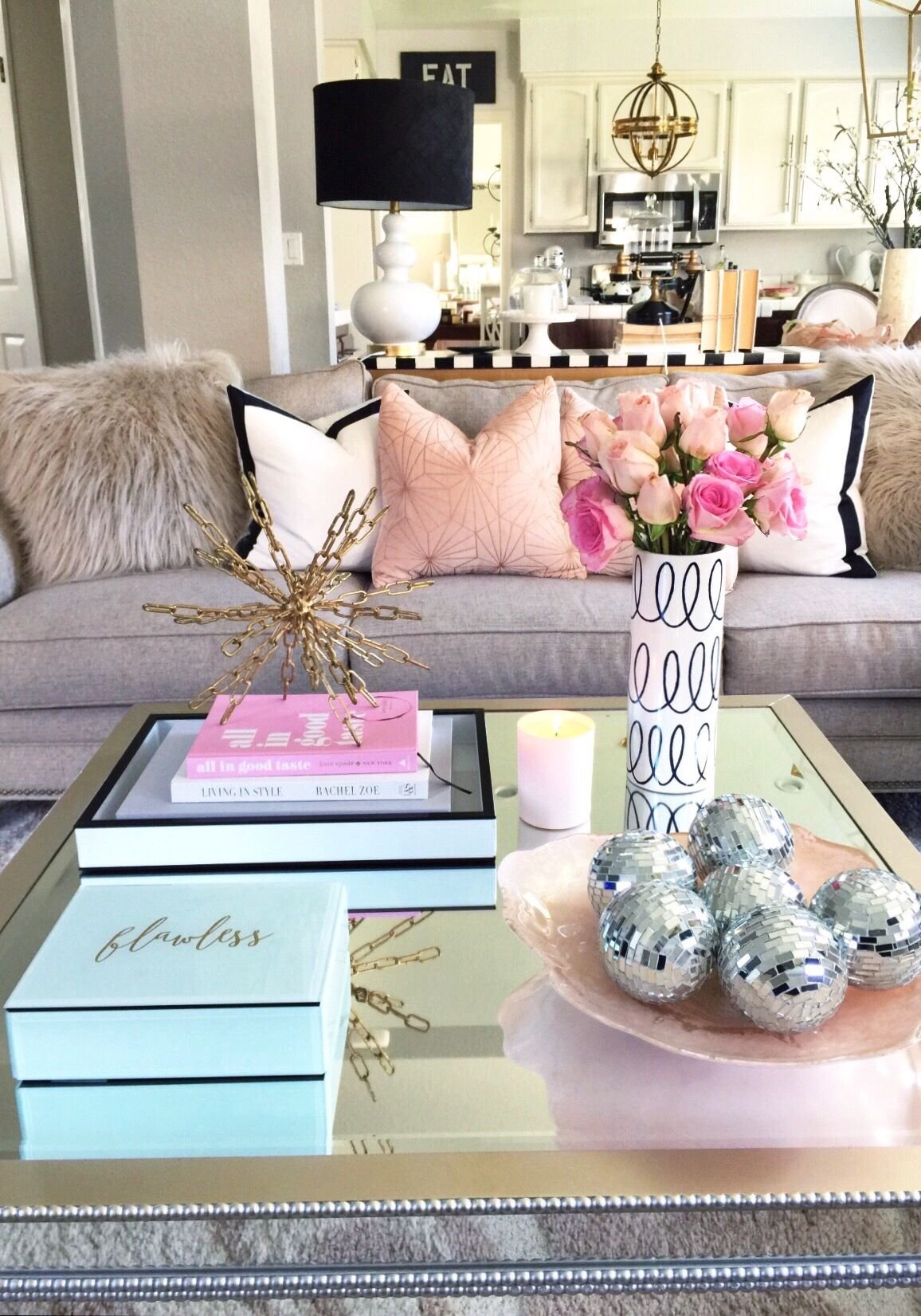
Step 1: Place a tray. A decorative tray on the table surface creates an immediate visual boundary. Everything inside the tray is a composition. Everything outside it is visual noise. One tray, fundamental difference.
Step 2: Use three objects, not two or four. Odd numbers create dynamic arrangements. Three objects at different heights produce more visual interest than any even grouping. Choose one tall element, one medium, one low.
Step 3: Add something living. A vase with a fresh or dried stem, a small plant, succulents. Organic material creates warmth and signals that the space is actually lived in rather than staged.
Step 4: Create height variation with books. Stack two large-format books horizontally. Place a small decorative object on top. This introduces vertical interest that no flat arrangement can achieve.
Step 5: Protect negative space. Leave approximately a third of the table surface empty. The empty space makes the objects read as a deliberate arrangement rather than accumulated clutter.
Sizing Your Coffee Table Correctly Every Time
Sizing mistakes are the most common and most fixable problems in living room layout. Here are the four numbers to get right before purchasing anything.
Height: match or go slightly below cushion height. The table surface should be level with the sofa cushion top or one to two inches lower. A table that rises above the cushion line looks wrong and is uncomfortable to use.
Length: two-thirds of sofa length. Measure your sofa, multiply by 0.67, and use that as your target table length. Longer overwhelms the seating group. Shorter looks undersized and disconnected.
Clearance: 14 to 18 inches between sofa and table. This is the functional zone where you can move around the table comfortably and still reach anything on it without leaning uncomfortably far forward.
Shape: match the furniture configuration. Sectionals work better with round or square tables. Standard linear sofas work better with rectangular or oval ones. Match the shape logic of the furniture you already have.
Practical note on matching:
Your coffee table does not need to match your side tables. Intentionally different materials—a wood coffee table with metal side tables, for example—creates the layered, considered look that matched sets can never produce. Mixing is the professional approach, not the lazy one.
How to Get the Most From Your Coffee Table Budget
The practical truth is straightforward.
A correctly chosen coffee table at any budget outperforms an expensive one that is wrong for the room. There is no price point at which bad sizing or wrong style becomes acceptable.
Spend the most thought on fit. Spend the available money on durability. The fit variables are: correct height and length relative to the sofa, a material suited to how the household actually uses the living room, a shape that works with the furniture layout, and a style that coheres with the existing room. When fit is correct, everything else follows.
Stop Waiting and Start Decorating
You have the practical information you need: the options, the sizing rules, the styling steps.
What you do not have is more time to spend looking at a living room that does not work as well as it could.
Identify the two or three options that fit your room correctly. Order one. Set it up. Style it using the steps in this guide.
The living room you keep putting off is one purchase and one afternoon away.
Go build it.